.svg&w=384&q=75 "naujapitch logo")
Luis Takes Charge at Monaco: A Bold Move in Management
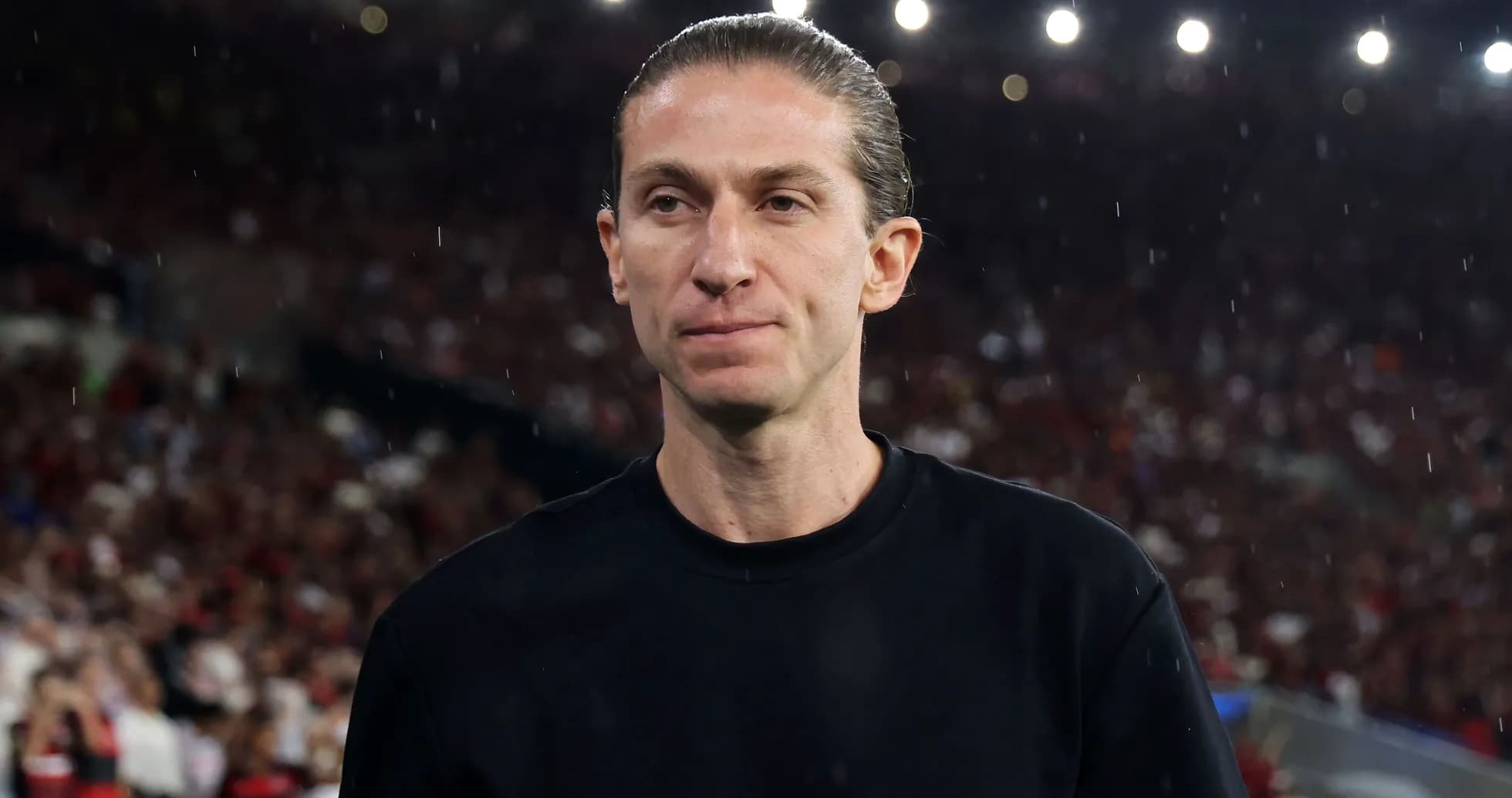
The managerial carousel has spun wildly this summer, but few saw this one coming. Luis, the Brazilian left-back who once patrolled the flanks for Chelsea and Atletico, is heading to the dugout at Monaco, not to one of the heavyweight benches that had circled his name for months.
He will take over from Sebastien Pocognoli, whose eight-month spell in charge at the Stade Louis II is already over, according to Fabrizio Romano. In a market full of recycled names and short-term fixes, Monaco have gone for a bold, modern bet – and tied it down.
Monaco steal a march
This is a coup. Bayer Leverkusen had earmarked Luis as their preferred candidate, fresh from a historic spell in the Bundesliga that demanded an ambitious successor. They wanted a sharp tactical mind with elite playing experience, someone who could walk into a dressing room and command instant respect. Luis ticked every box.
They have been left with nothing.
Leverkusen were not alone. A romantic return to Chelsea had been floated, the kind of story that writes itself: former title-winning full-back returns as head coach at Stamford Bridge. Benfica, giants of Portuguese football, also hovered in the background, sensing an opportunity to snap up one of the most talked-about young coaches outside Europe.
Then Monaco moved. Quietly. Decisively.
Thiago Scuro, the club’s sporting director, drove the operation from the shadows. While others weighed up their options and considered formal offers, Scuro worked directly on the Brazilian, building on a relationship that would prove decisive. The pitch from the Principality was clear and compelling: authority, time, and a serious project in one of Europe’s toughest leagues.
The result was a swift agreement that caught much of the industry off guard.
A long contract, a clear statement
Monaco have not tried to disguise their intentions. By committing Luis until June 2028, they have made a rare statement in a climate where managers often live month to month. Four years is not just a contract; it is an invitation to reshape a club.
For a 40-year-old coach still carving out his identity on the touchline, that kind of stability is gold. It gives him room to impose his football, to build a squad in his image, to make mistakes and still be trusted with the broader vision. Monaco are betting that the man who conquered South America can now grow into a leading figure in Europe.
The message is simple: this is not a stopgap. This is a project.
From Rio to the Riviera
Luis arrives in the Principality with momentum at his back. His rise has been rapid, but it has not been accidental.
At Flamengo, where he coached from 2024 until March 2026, he did more than just manage expectations at one of the continent’s most demanding clubs. He delivered. A league title. The Copa Libertadores in 2025. Trophies that carry weight in any boardroom conversation.
Those successes pushed him into the global spotlight. Once he had lifted South America’s biggest prize, a jump to a major European league felt less like a question of if and more a matter of when and where.
Monaco, not London. Monaco, not Leverkusen. Monaco, not Lisbon.
A player’s pedigree, a coach’s ambition
His CV as a player needs little introduction. One of the outstanding left-backs of his generation, Luis collected the Premier League with Chelsea and stacked up silverware with Atletico. He lived the pressure of title races, Champions League nights, and dressing rooms full of stars.
Now those experiences move from the pitch to the whiteboard. He knows the rhythm of elite football, the demands of a long season, the standards required to compete at the top. That background is part of his appeal: he is not guessing what a top-level environment looks like. He has lived it.
Monaco are gambling that this blend of high-level playing pedigree and early coaching success can turn them into something more than a talented, occasionally chaotic side in Ligue 1. They want a defined identity, a clear tactical imprint, and a coach who can attract and develop the next wave of talent.
Scuro has staked his reputation on that belief. Luis has chosen the Riviera over more glamorous or familiar destinations. Now comes the hard part: proving that this surprise twist in the managerial merry-go-round is the start of a new era, not just another fleeting turn.