.svg&w=384&q=75 "naujapitch logo")
Group J: Argentina's Quest for Glory with Messi, Algeria's Resurgence, and Austria's Challenge
There is no such thing as a gentle World Cup group for the defending champions. Argentina know that better than anyone. Think back to 2022. A goal up at half-time, cruising, and then stunned by Saudi Arabia in one of the tournament’s great ambushes. They didn’t score a first-half goal again in the group. They still left with the trophy.
Group J carries that same warning. On paper, Argentina should rule it. On grass, they will have to fight through Algeria’s revival, Austria’s pressing machine and Jordan’s first-timers with nothing to lose.
Argentina: chasing history with Messi on the clock
No country has retained the World Cup since Brazil in 1962. Argentina arrive in North America determined to write themselves into that small, unforgiving line of history.
Lionel Scaloni has already changed the course of Argentine football. Copa America 2021. World Cup 2022. Copa America 2024. He is the man who ended a 36‑year wait for a third star and, in the process, rebuilt a national team that now plays with a calm authority rarely associated with the shirt.
The core from Qatar remains. Emiliano Martinez, the penalty-box showman, still guards the goal. Cristian Romero and Lisandro Martinez front up in defence. Rodrigo De Paul, Alexis Mac Allister and Enzo Fernandez form a midfield that can both scrap and suffocate. Up front, Julian Alvarez gives Scaloni tactical freedom, able to work wide, central or in the shadows of the main striker, Lautaro Martinez.
Angel Di Maria has gone, taking with him one of the defining figures of the 2022 run. Franco Mastantuono, the teenage Real Madrid midfielder many expected to sneak into the squad, did not make the final cut. The message is clear: this is not an experimental tour. It is a title defence.
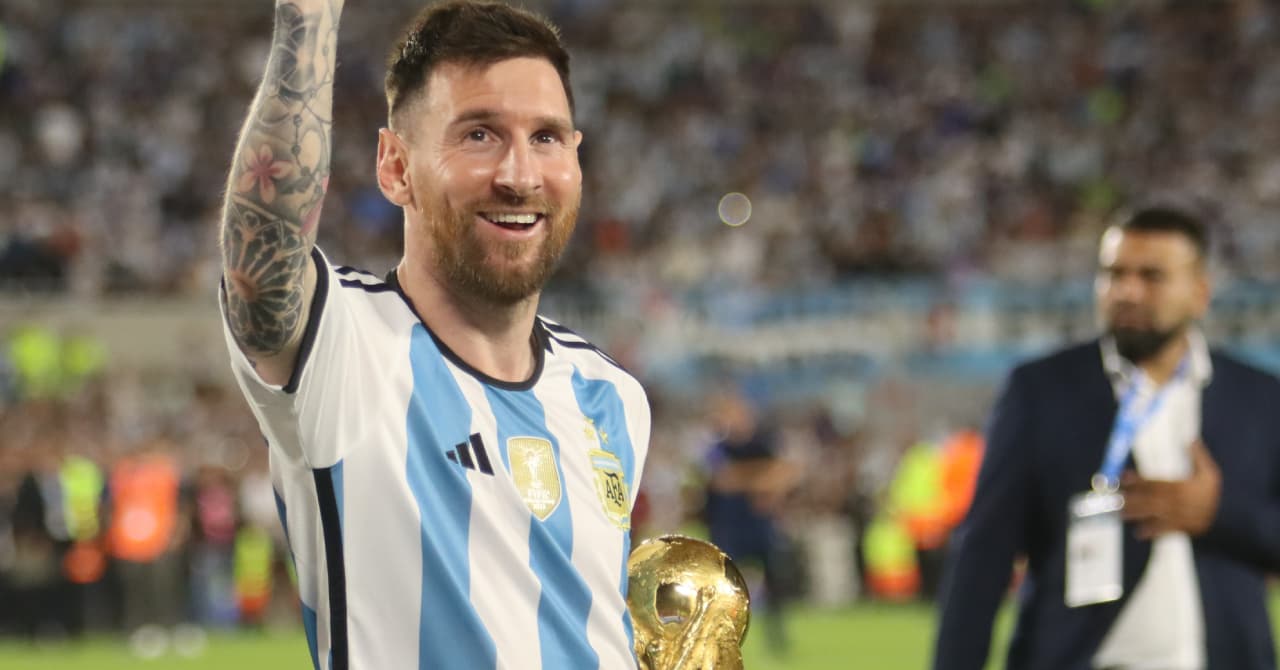
Only one cloud has drifted across their preparation: Lionel Messi’s hamstring. The Inter Miami forward picked up the problem in May, and every twinge has been followed like a stock market crash. Scaloni’s public reading of the injury has been calm, and Messi is expected to start against Algeria in Kansas City.
That first appearance will be a moment. At 38, Messi arrives for a record sixth World Cup, a number that underlines the scale of his career as much as it signals its end. Nobody seriously expects a seventh. He still finished as top scorer in CONMEBOL qualifying with eight goals. He still remains the one player Argentina cannot replace.
This is a group Argentina should control. The real test of their era-defining ambitions will come later, in the knockout rounds, when the margin for error vanishes. For now, Group J is about avoiding another Saudi Arabia moment and giving Messi a platform worthy of what feels like a final act.
Algeria: Mahrez leads a returning force
Algeria know what it is to rattle giants. In 2014, they took Germany to extra time in the last 16 and left Brazil with respect, if not a quarter-final place. They have missed the last two World Cups. Now they are back, and they look equipped to cause trouble again.
Vladimir Petkovic has quietly rebuilt them. The Bosnian and Herzegovinian coach carries serious tournament pedigree: he took Switzerland to the 2018/19 Nations League finals and the Euro 2020 quarter-finals, beating Turkiye and France before losing on penalties to eventual champions Spain. Algeria topped CAF Group G to book their ticket and arrive with a squad that blends European club experience with a sharp attacking edge.
Mohamed Amoura was the headline act in qualifying. Ten goals, seven more than anyone else in Algeria’s group, including a hat-trick against Mozambique. The Wolfsburg forward opened his Bundesliga season with eight goals in 19 matches before cooling off over his final 11. Even so, his pace and movement make him a constant threat. He is one of four Bundesliga players in the squad, a sign of the technical and physical level Petkovic can call upon.
Behind him, there is craft. Houssem Aouar, once capped by France and now a central figure for Algeria, brings Roma and Lyon pedigree. Amine Gouiri, back fit at Marseille, scored twice in a 7-0 friendly demolition of Guatemala in Genoa in March. Nabil Bentaleb, now at Lille after his Tottenham days, adds experience and bite in midfield.
At the back, the names tell their own story. Luca Zidane, son of Zinedine, has fought back from a broken jaw and chin suffered with Granada in April to reach his first World Cup. On the flank, Anis Hadj Moussa arrives from a superb season at Feyenoord, contributing 14 goals and seven assists. Rayan Ait-Nouri, who saw his role at Manchester City shrink after an early-season run of starts and an ankle injury around AFCON, still offers high-level experience and dynamism when trusted.
And then there is Riyad Mahrez. The captain. The reference point. Now at Al-Ahli in the Saudi Pro League, the 35-year-old stands eight goals short of becoming Algeria’s all-time leading scorer. He already has 38 goals and 43 assists in 113 caps, and his honours list reads like a generation’s dream: AFCON champion in 2019, the creative heartbeat of Leicester City’s miraculous 2016 Premier League title, African Footballer of the Year that same season, and a treble winner with Manchester City in 2023. He scored three times in two games as Algeria swept through the 2025 AFCON group stage.
Algeria’s path out of Group J looks clear and narrow. Their final match against Austria should decide who qualifies automatically behind Argentina. With eight third-placed teams also advancing, and both Algeria and Austria strong favourites to beat Jordan, Petkovic’s side are well placed to reach the knockout phase for only the second time in their history.
They have the talent. They have a talisman. They have a coach who knows how to navigate tournaments. That usually makes for a dangerous opponent.
Austria: Rangnick’s pressing project hits the world stage
Austria come into this World Cup with a label they have rarely worn: dark horses. Not favourites, not tourists, but a team nobody will enjoy facing.
The reason sits in the dugout. Ralf Rangnick has not just taken charge of the national team; he has imposed an identity. Aggressive pressing, vertical football, a structure that mirrors the Red Bull blueprint he helped create. The result is a side that plays with clarity and conviction.
The signs were already there at Euro 2024. Austria finished ahead of France and the Netherlands in their group and reached the last 16. They then rode that momentum into World Cup qualification, returning to the tournament for the first time in 28 years with arguably their strongest squad since 1954, when they finished third.
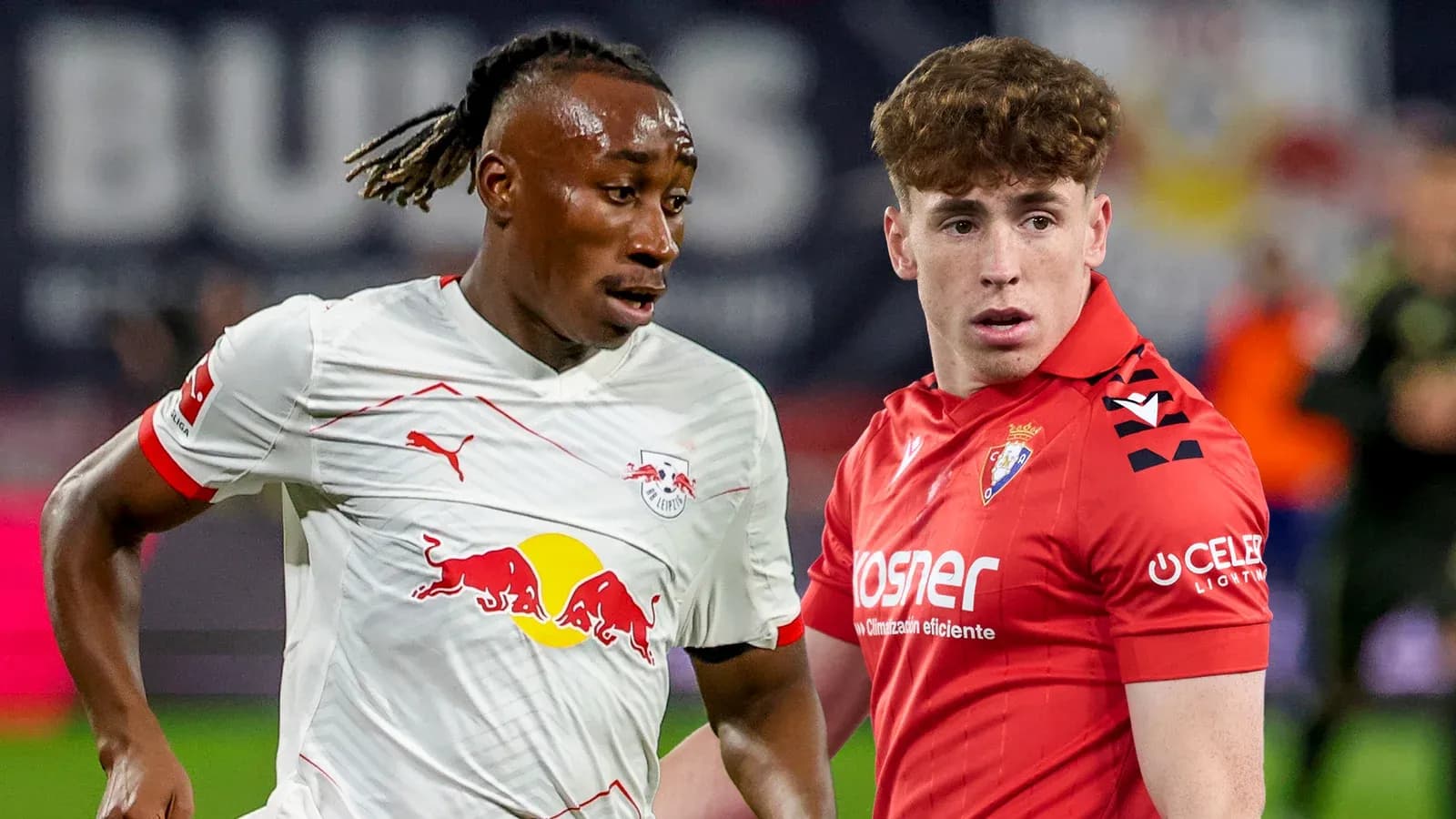
The backbone comes from the Bundesliga. Fourteen of the 26 players are based in Germany. At RB Leipzig, Christoph Baumgartner, Xaver Schlager and Nicolas Seiwald form a midfield unit steeped in Rangnick’s principles. They press, they break lines, they play at tempo.
Marcel Sabitzer brings 95 caps and Champions League experience from Borussia Dortmund. Konrad Laimer, a relentless runner for Bayern Munich, drives the wide midfield areas. David Alaba, now 33, captains the side, the calm at the centre of the storm.
There is also a new generation. Carney Chukwuemeka has committed his international future to Austria rather than England, a significant win for Rangnick. Paul Wanner, 20 and at PSV Eindhoven, is another young talent who could use this tournament to introduce himself to a global audience.
Marko Arnautovic, 36, travels as vice-captain and Austria’s all-time record scorer with 47 goals from 132 caps. He knows this could be his last major tournament, one final chance to leave a mark on the biggest stage.
The player arriving in the hottest form, though, is Baumgartner. Thirteen goals and ten assists in the Bundesliga this season put the Leipzig midfielder among the most productive central players in Germany. His timing between the lines, his late runs, his composure in tight spaces – all of it gives Austria a scoring threat from midfield that can tilt tight group games.
Austria open against Jordan in Santa Clara, a fixture that offers a launchpad. Win that, and Rangnick’s side can attack the Algeria showdown with the confidence of a team that believes it belongs in the last 16. They have the structure, the legs and the depth to push for a top-two finish. The question is whether they can handle the pressure when that decisive night against Algeria arrives.
Jordan: history made, and nothing to fear
Jordan walk into this World Cup as newcomers, but not as passengers. They earned this, and they arrive with a clear sense of who they are.
Al-Nashama reached the finals by finishing second in their AFC third-round group, behind South Korea and ahead of Iraq, Oman, Palestine and Kuwait. That alone tells you they can handle tense qualifying campaigns and regional rivals.
On the touchline, Jamal Sellami brings his own story. The Moroccan coach has a strong record in his home country’s top division and led Morocco’s local-national team to the 2018 African Nations Championship title. He has spoken openly of wanting to emulate what his compatriots achieved in Qatar in 2022, when Morocco reached the semi-finals as the first African and Arab nation to do so.
Jordan are not built on imported stars. Thirteen of the 26 players are based in the domestic league, giving the squad a familiarity and cohesion that can matter in a short tournament, where some teams spend the first week just learning each other’s runs. The major blow is the absence of striker Yazan Al-Naimat, who suffered an ACL injury in December and misses out.
Captain Ehsan Haddad marshals the backline from Al-Hussein. Yazan Al-Arab, one of the few players plying his trade outside the Middle East, adds experience from FC Seoul in South Korea. The spine is modest in profile but well drilled.
The spotlight, though, falls on Mousa Al-Tamari. The Rennes forward is widely regarded as the best player Jordan have ever produced. He became the first Jordanian to play in Ligue 1 and carries a nickname at home that says everything about the expectations around him: the “Jordanian Messi”. It is a heavy comparison, but it captures his importance to this team.
If Jordan are to deliver a shock in Group J, Al-Tamari will almost certainly be at the heart of it – driving at defenders, drawing fouls, turning rare attacking moments into something more.
The schedule gives them a sliver of opportunity. Austria in Santa Clara is their most realistic chance of a result. A point there would echo far beyond the group table. Anything taken from Algeria would be historic. Then comes Argentina at AT&T Stadium in Dallas, a match that will be the biggest night in Jordanian football, regardless of what comes before.
Group J is built on contrasts: a reigning champion chasing immortality, a resurgent Algeria with a golden generation’s echoes, an Austrian side reborn under a visionary coach, and Jordan stepping into the light for the first time.
Argentina should top it. Algeria and Austria should fight over the second ticket. Jordan should enjoy the ride.
But World Cups rarely stick to the script. Just ask Messi.