.svg&w=384&q=75 "naujapitch logo")
Gaelic Players Association Prioritizes Player Welfare with 97% Revenue Allocation
The Gaelic Players Association has put a stark number on where its priorities lie: 97% of its revenue goes straight into player welfare and development.
That figure, revealed in the body’s annual report published on Tuesday morning, underpinned a night in which players also demanded something less tangible but just as significant – a louder voice in how their games are run.
Players push for seats at the top table
At Monday night’s AGM, members backed a motion calling for “formal, structured player representation on all key decision-making bodies affecting inter-county players within integrated GAA structures such as Central Council, provincial councils and county boards.”
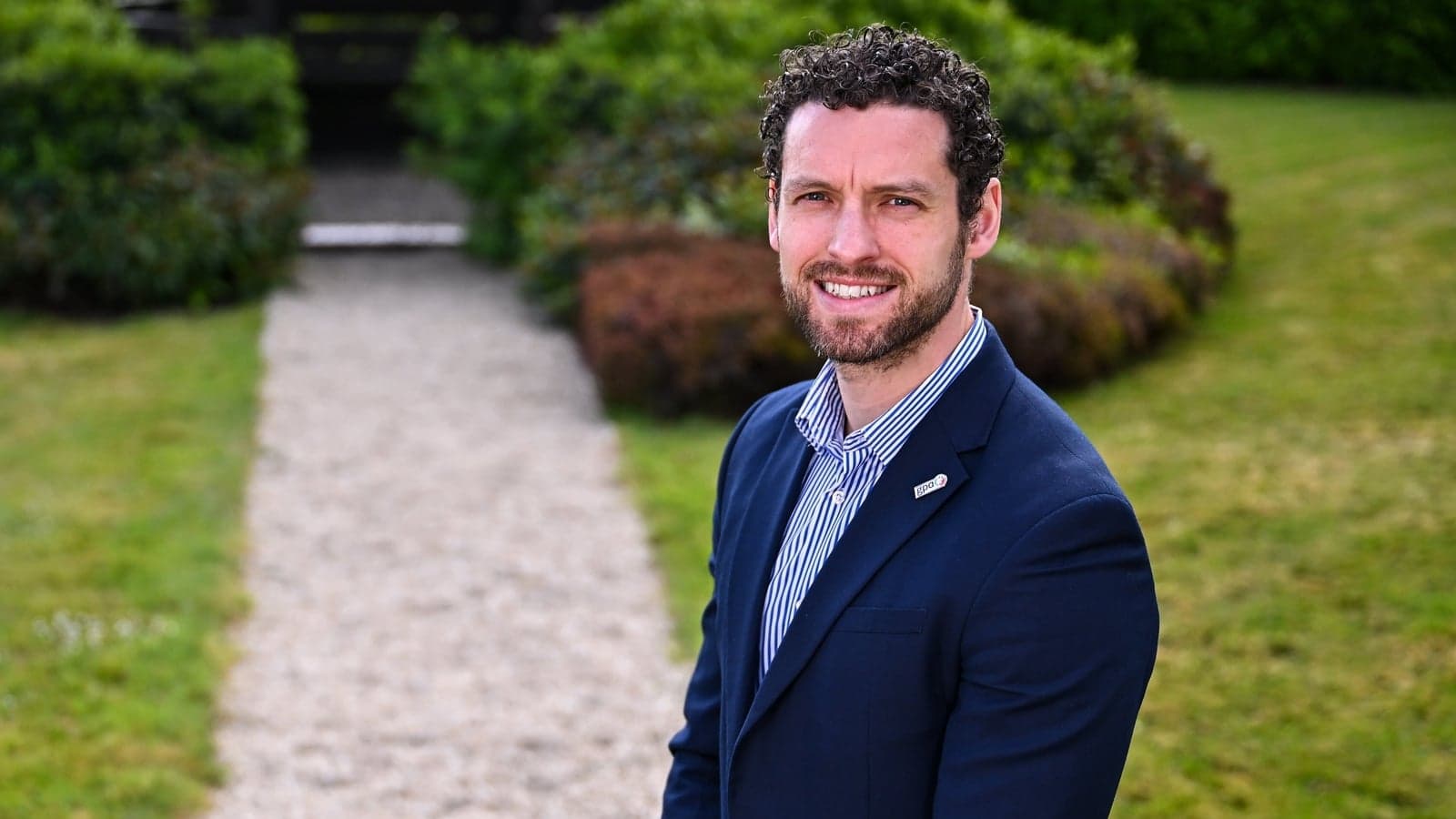
Right now, the GPA holds a single seat at Central Council. For chief executive Tom Parsons, that no longer reflects the reality of the modern game or the demands on those who play it.
He told RTÉ Sport that the financial commitment to players is clear, but the governance piece is lagging behind. The message from the room was sharper still: players want a say wherever decisions are made.
Parsons pointed to provincial councils, county boards, the LGFA and the Camogie Association as areas where the player presence is thin. The GPA, he argued, has already shown its worth in existing GAA structures; now it wants that influence “embedded” across the wider Gaelic games family.
The direction of travel is not unique to Ireland. Athlete representation has become a global theme, with players increasingly insisting that competition structures, policy shifts and welfare decisions cannot be made without them at the table.
Money on the pitch, not in the office
The numbers back up the GPA’s claim to be a player-first organisation.
Of total revenue of €7.6 million in the most recent financial year, €4.35m went directly into player welfare and development programmes. That spend covered personal development coaching, career development initiatives and educational supports for inter-county players.
Government support remains central to that model. Annual grant funding of €3m flowed from Sport Ireland via the GAA, with the GPA responsible for ensuring those funds reach inter-county players.
Overall revenue nudged up by 1% on the previous year. The rise came off the back of a 5% increase in government grants, which helped offset a 6% drop in core GAA funding. GAA support to the GPA fell from €3.17m to €2.98m.
The association still posted an operating pre-tax loss of €59,401 and a post-tax loss of €65,881, a reminder that such a high proportion of spending on players comes at a cost to the balance sheet.
Lean staff, heavy load
Behind the programmes and lobbying sits a relatively small operation. The GPA employs 10 full-time staff, supplemented by 18 fixed-term contracted employees who deliver the Ahead of the Game (Movember) mental health programme.
The wage bill for that Movember-linked work does not land on the GPA’s books in the usual way; those staff costs are recharged to the GAA, which is the official recipient of the programme funding from the global mental health charity.
Key management personnel at the GPA received remuneration of €250,181, down from €268,317 the previous year, continuing a tightening at the top as the organisation leans into its player-facing spend.
A louder voice to match the investment
The financial story is clear: almost every euro the GPA brings in is pushed back towards the people on the pitch.
The political battle is only beginning.
With inter-county players training and performing at quasi-professional levels in an amateur structure, the question now is whether that 97% commitment to welfare will be matched by a similar rise in their power around the boardroom table.