.svg&w=384&q=75 "naujapitch logo")
FIFA Increases World Cup Funding for Clubs to $355 Million
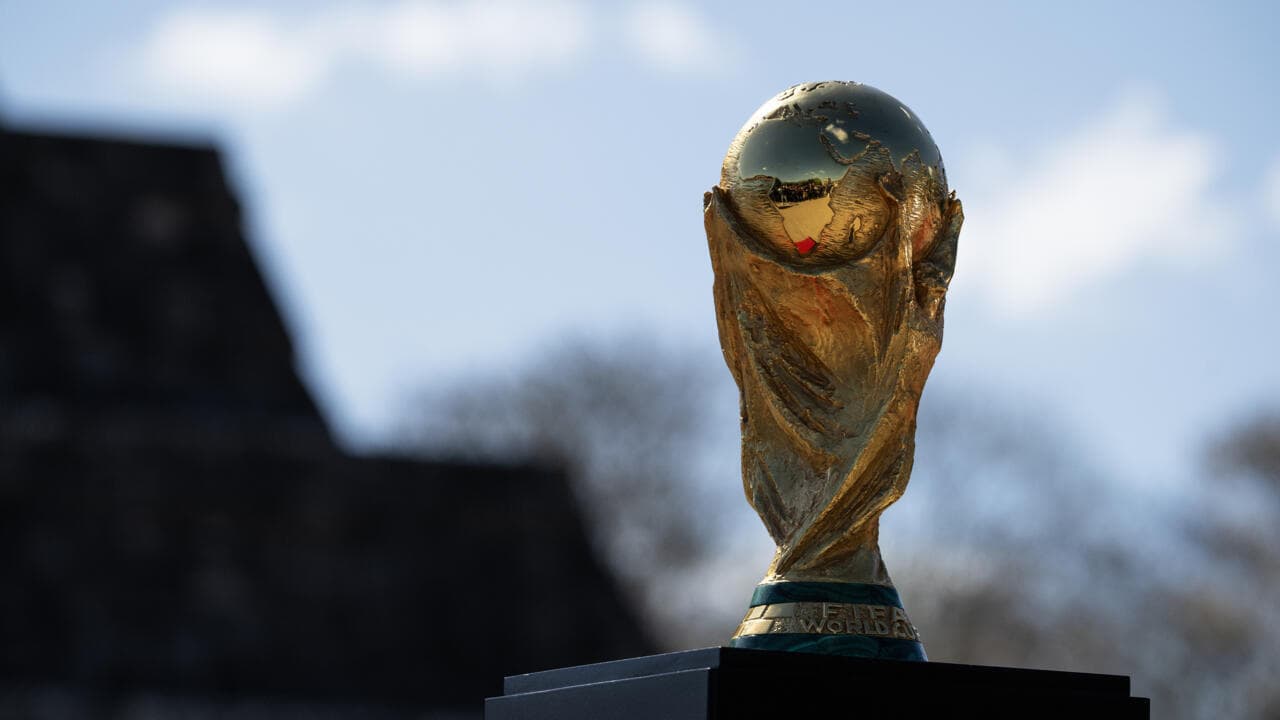
FIFA has opened the taps for clubs ahead of the expanded 2026 World Cup, lifting its Club Benefits Programme to $355 million – a 70 percent jump on what was paid out around Qatar 2022.
The governing body had already signposted the rise last September. Now it has put hard numbers on a tournament that will be bigger in almost every sense: more teams, more games, more days – and more money flowing back to the employers of the players on the pitch.
Bigger World Cup, bigger pot
FIFA is not publishing a full World Cup revenue figure, but its own projections tell the story. It expects total revenue this year to be up 56 percent on 2022. Across the four‑year cycle to 2026 – which includes the new, expanded Club World Cup in 2025 – it is forecasting a 72 percent increase on the previous period.
That financial surge underpins a tournament that has been stretched on the field as well. The World Cup will grow from 32 teams to 48, the match count will rocket from 64 to 104, and the competition window will run to 39 days, up from 29.
The pressure on players and clubs will be heavier than ever. The compensation scheme is FIFA’s answer.
How the $355m is carved up
The total fund is split three ways.
- The largest slice, $250 million, is set aside for clubs whose players reach the finals. FIFA has calculated that the minimum payment per player will be $5,000 for every day spent at the World Cup, with the exact figures to be finalised once the tournament ends.
- Those payments will be worked out “on a per‑player, per‑day basis”, taking into account whether a player is in the squad and how long his involvement in the competition lasts. Stay longer, play deeper into the knockout rounds, and the club’s cheque grows.
- A second tranche of $100 million targets a part of the calendar that has long irritated club managers: qualifying.
- For the first time, clubs will be compensated for their players’ appearances in World Cup qualifiers. FIFA says it will pay $2,362 for every player named in a match‑day squad across the 905 qualifying fixtures. The same rate will apply to 10 friendlies each for the three host nations, who do not need to qualify but still need to play.
- The final $5 million is earmarked for administrative costs tied to the programme. Any money left over, FIFA says, will be “allocated to the benefit of global club football”.
Clubs at the heart of the deal
The mechanics matter. Payments are linked to a player’s club registration at the time World Cup squads are announced, but FIFA has built in provisions for those who move mid‑tournament or come in as replacements.
It is a nod to the modern transfer market, where a player can change employers between a call‑up and a knockout tie, and where clubs want clarity on who gets what.
“This is another benefit from the expanded FIFA World Cup – providing more support across the entire football ecosystem to the clubs that provide all the players who compete to shine on the global stage,” said FIFA president Gianni Infantino in the statement unveiling the scheme.
The message is clear. As the World Cup swells to unprecedented size and revenue, FIFA is keen to show that the clubs feeding the tournament with talent will not be left counting only the physical cost. The next question is whether this level of compensation will be enough for clubs staring at longer seasons, heavier travel, and players stretched to the limit.