.svg&w=384&q=75 "naujapitch logo")
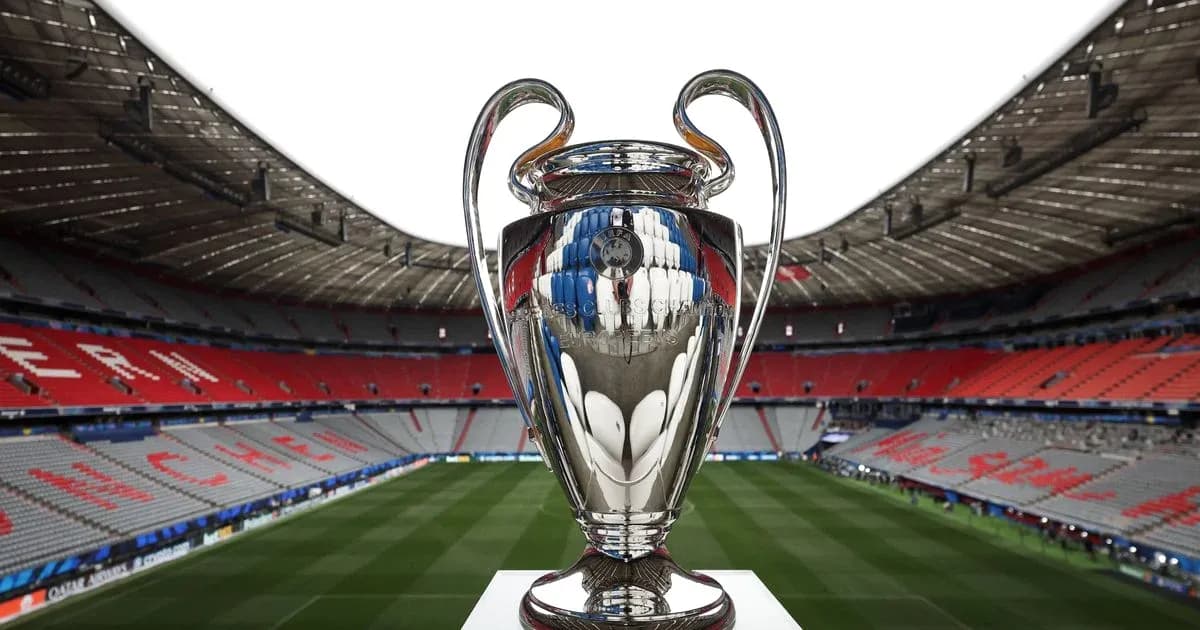
Arsenal's Historic Champions League Final in Budapest
Arsenal walk into Budapest with history at their fingertips.
Premier League champions. Ninety minutes – or perhaps 120 – from becoming champions of Europe for the first time. The Puskás Aréna will stage a final that feels like a crossroads for Mikel Arteta’s project: immortality on one side, a painful near-miss on the other.
Across from them stand the holders. Paris Saint-Germain, the defending European champions and the bookmakers’ choice, arrive as 5/4 favourites with bet365 to keep their crown. Arsenal are 21/10 to win it inside normal time, with the draw at 12/5. To lift the trophy at all, PSG are 4/6, Arsenal 6/5.
On paper, the French giants remain the team to beat. On form and feeling, Arsenal look like the team that finally believes.
Pressure lifted, belief unleashed
Tuesday night changed everything.
By sealing the Premier League title, Arsenal removed the suffocating sense that the Champions League had to deliver validation. The season is already gilded. The players know it, the staff know it, the travelling support certainly know it.
That changes how a final feels. This is no longer a desperate scramble for a first major trophy under Arteta; it is a shot at a historic double. The psychological weight has shifted. The questions that stalked this squad – can they finish, can they handle the moment, can they get over the line? – have been answered once. That matters.
Momentum, once it starts rolling at this level, can be brutal. Arsenal now carry the aura of a side that has proved it can close a title race. That conviction seeps into everything: the way they press, the way they manage a lead, the way they stand over a free-kick in the 88th minute of a final.
PSG may be favourites with the odds-makers. Arsenal, though, arrive with something you cannot price: the feeling that a barrier has finally been broken.
Eberechi Eze, signed for nights like this
Arsenal did not buy Eberechi Eze to decorate the squad. They bought him for exactly this stage.
He has already scored in a cup final in his career and has grown into a central figure in Arteta’s attacking structure this season. He drifts between the lines, carries the ball when others hesitate, and strikes from range with a technique that can turn a cagey contest in an instant.
Against PSG, that profile is gold. In a game likely to be tight, tactical and nervy, one clean strike from 20 yards can tilt the night. Eze is precisely the kind of player who can appear on the edge of the box, take a touch, and punish the slightest lapse in concentration.
If Arsenal are to prise open the champions, Eze’s ability to conjure something from a half-space or a broken phase may be the difference between frustration and glory.
A defensive gamble against Kvaratskhelia
The glow of domestic success cannot hide the problem: Arsenal are walking into this final with a defensive headache.
Ben White is out. That alone would unsettle any back line. It also forces Arteta into a high-stakes call on the right side of his defence, just as he faces one of the most dangerous wide men in Europe.
Jurriën Timber is the name everyone inside the club wants to see on the teamsheet. Not only because he covers White’s absence, but because the Dutchman is that good – aggressive, composed, technically clean, and capable of stepping into midfield. Yet the clock is ticking and the signs around his fitness race are not encouraging.
If Timber does not make it, the responsibility is likely to fall on Cristhian Mosquera. A centre-half by trade, the Spaniard has impressed this year with his calmness and potential, but this is another level entirely. On this stage, against Khvicha Kvaratskhelia, there is nowhere to hide.
Kvaratskhelia attacks full-backs without mercy. He dribbles, feints, drives inside, goes outside, and forces defenders to make decisions they do not want to make. Mosquera’s positioning, timing in the tackle and ability to read the flight of the ball will be tested to the absolute limit.
Arteta will have to decide how much protection to give that flank. Does he pull a midfielder across? Does he ask his winger to track relentlessly? Every tweak to contain Kvaratskhelia has a knock-on effect further up the pitch. That is the tactical gamble: shore up the side, or keep enough threat to hurt PSG the other way.
One misstep, one mistimed lunge, and the final can swing.
Gyökeres to start, Havertz to haunt?
Up front, Arsenal have clarity.
Viktor Gyökeres has battered his way to 21 goals this season and has earned the right to lead the line in Budapest. He runs channels, he wrestles centre-backs, he finishes with authority. His presence alone can pin PSG’s defence deeper than they would like.
Yet the bench may decide this final.
Arteta has in Kai Havertz a substitute built for this exact scenario. The German already owns one Champions League final-winning goal in his career. He started against Burnley and scored the goal that ultimately sealed the Premier League title, but here he is expected to wait his turn, ready to change the game late on.
Havertz brings height, timing and an uncanny knack for appearing in the right place when legs tire and spaces open. Drop him into a stretched final, and he can ghost into the box for a second ball, a cut-back, a looping cross. One touch, one finish, and suddenly it is his second goal in a Champions League final – this time in Arsenal colours.
For a player who missed a large chunk of the season, the chance to etch his name into the club’s modern history is enormous. One swing of his left foot, and his standing in North London changes forever.
Arteta’s ascent to the elite
Whatever the scoreline in Budapest, one truth stands: Mikel Arteta has dragged Arsenal back to the highest level of the European game.
He has rebuilt the squad, reshaped the culture and re-established the club among the elite. A Premier League title confirms it domestically; a Champions League crown would place him in the rarest company in Arsenal’s history.
This final offers him more than a trophy. It offers a legacy-defining night.
The prediction? A tight, tense, nervy affair, the kind of game Arsenal have so often lost in the past. This time, the call is a classic: 1-0 to the Arsenal.
If that scoreline appears on the board in Budapest, if the whistle blows with Arteta’s side on the right end of it, the narrative of this club changes in an instant. From nearly men to European champions.
Is this the night Arsenal finally write their name into the competition they have chased for generations? The stage is set.